
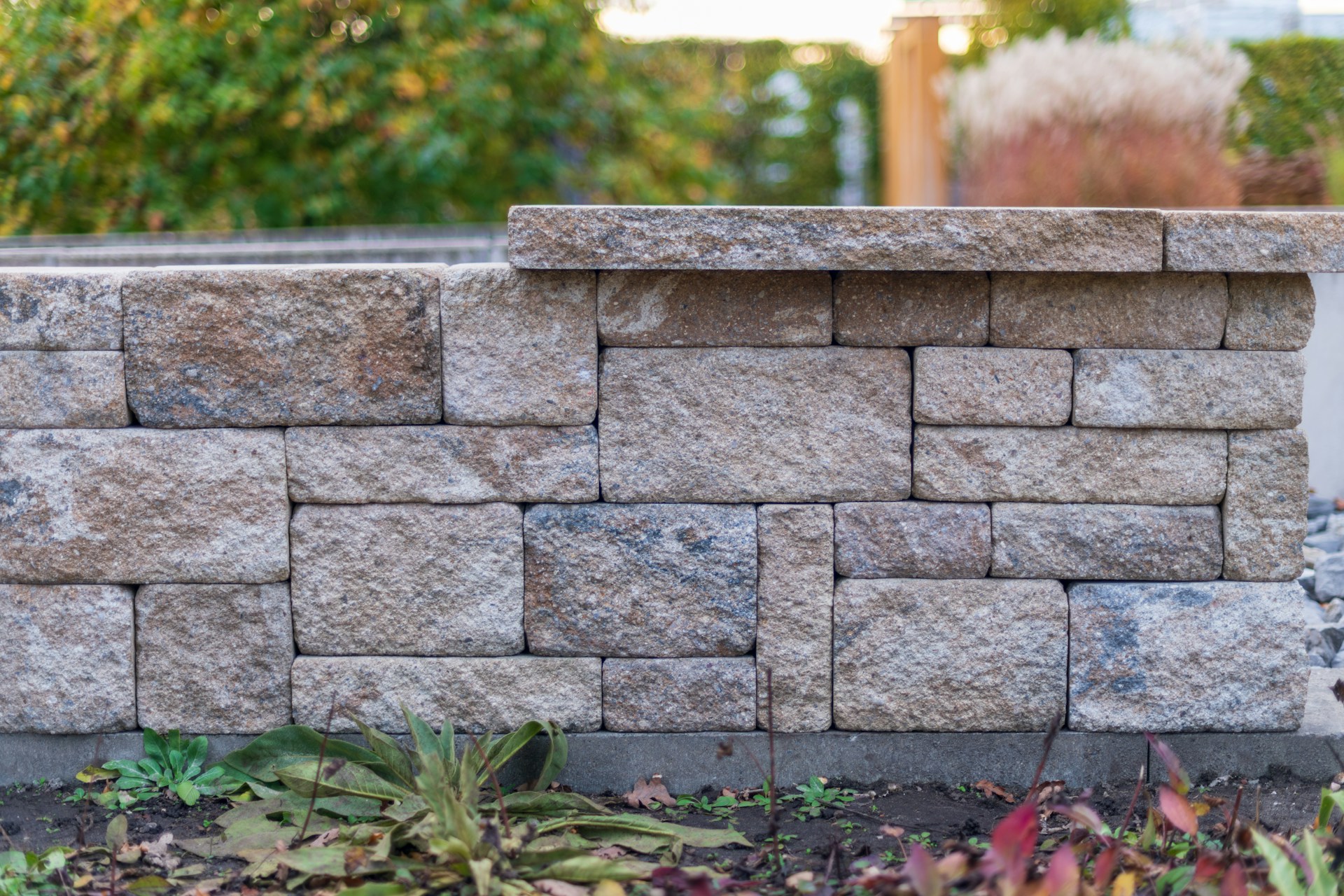
Property disputes between neighbours can begin with practical concerns involving access, grading, drainage, parking, retaining walls, or driveways. However, when those concerns involve registered easements and construction near a property boundary, the legal issues can become complex quickly.
A recent Supreme Court of British Columbia decision, Flavel v. Comeau, considered a long-running dispute between neighbouring property owners in Kelowna. The case involved an easement, a retaining wall, a settlement agreement, allegations of trespass and nuisance, and a request to modify the easement under British Columbia’s Property Law Act.
Dispute Involved a Retaining Wall Between Neighbours
The dispute involved two adjacent residential properties in a cul-de-sac. Both properties were originally purchased as bare land, and each set of owners built a home on their lot.
An easement registered on title was intended to provide access between one lot and the cul-de-sac. However, it prohibited buildings, structures, fences, foundations, excavations, piles of material, and other obstructions within the easement area.
The properties had a significant slope between them. According to the Court, the original easement did not adequately account for the topography. A retaining wall was likely required for support, but the easement did not expressly permit one.
Construction Leads to a Stop Work Order
The owners of the lower lot began preparing to build a retaining wall within the easement area in 2018. The City of Kelowna later issued a stop-work order at the request of the neighbouring owners.
The parties attempted to negotiate an amendment allowing the wall. During that period, the lower lot residence was completed, but the continuing dispute affected access to the home.
In 2021, the neighbouring owners commenced legal proceedings based on the easement’s prohibition against structures within the easement area.
A Settlement Agreement, Then a New Problem
The parties entered into a settlement agreement in 2022. It permitted construction of a retaining wall subject to approved plans, grading arrangements, timing requirements, and a payment of $3,000. A modified easement was also registered on title. It allowed a concrete retaining wall with specific measurements and location requirements.
When construction proceeded, however, the wall did not comply with the agreement or modified easement. The contractor added a six-foot extension, and the wall differed from the permitted specifications in other respects.
The neighbouring owners demanded that the work stop. Correspondence from the lower lot owners’ former counsel acknowledged that a court application would be required if the non-compliant wall was to remain, but no application was filed at that time.
The Court’s View of the Non-Compliant Wall
The Court found that the retaining wall breached the modified easement. The differences could not be treated as insignificant because the easement contemplated a specific wall, and that was not what had been built.
The Court also found that the lower lot owners either knew the wall would differ from the permitted design or were wilfully ignorant by failing to confirm compliance.
At the same time, the wall served a necessary function involving support and access. Ordering its complete removal would likely lead to another dispute about constructing a similar wall.
Modifying the Easement Under the Property Law Act
The lower lot owners sought relief under section 35 of the Property Law Act, which allows the Court in certain circumstances to modify or cancel interests in land, including easements.
The Court agreed to amend the easement to permit the wall as built, subject to conditions. The lower lot owners were required to remove the six-foot extension at their own cost and pay compensation to the neighbouring owners.
The Court therefore did not ignore the breach, but it also declined to order removal of the entire wall where doing so could create further instability, expense, and litigation.
Compensation for the Easement Modification
The neighbouring owners sought $85,000, arguing that the amount was comparable to the cost of designing and constructing the wall. The Court rejected that approach, noting that construction cost does not necessarily equal the increase in property value created by an improvement.
The lower lot owners argued that no compensation should be paid. The Court rejected that position as well because the wall clearly benefited the lower property, including by improving access to the home.
Neither side presented expert evidence. Based on the available record, the Court ordered the lower lot owners to pay $40,000 within 90 days.
Consequences for Failing to Comply
The neighbouring owners asked the Court to cancel the modified easement and reinstate the original easement if the conditions were not met. The Court considered that remedy too severe but recognized concerns about timely compliance.
Instead, the Court ordered that the lower lot owners pay an additional $200 per day if they failed to remove the extension and pay the compensation by the deadline.
This provided an enforcement mechanism without requiring immediate removal of the entire wall.
Trespass and Nuisance Claims
The neighbouring owners also sought damages for trespass or, alternatively, private nuisance. Trespass involves direct interference with land, such as entering another person’s property without permission. Private nuisance involves substantial and unreasonable interference with the use or enjoyment of land.
The Court found that contractor activity on the neighbouring property after permission had been revoked amounted to trespass. It awarded $5,000 in damages, payable within 90 days with interest.
Because damages were awarded for trespass, the Court did not separately decide the nuisance claim.
Costs of the Litigation
The neighbouring owners sought special costs, which generally require reprehensible conduct. The Court declined to award them because the lower lot owners’ conduct had already been considered when compensation was assessed under section 35.
However, the neighbouring owners were substantially successful overall and received ordinary costs at Scale C, reflecting the matter’s greater-than-ordinary difficulty.
Understanding the Impact of Easements on Construction Projects
Registered easements should be carefully reviewed before construction begins. Even where a structure appears necessary, the wording on title may restrict what can be built.
Settlement agreements should also be followed precisely. If construction plans change, addressing the issue before work proceeds may reduce the risk of further litigation.
Compensation is fact-specific. Construction costs, the benefit to one property, the effect on the neighbouring land, the parties’ conduct, and the available evidence may all influence the result.
Meridian Law Group: Providing Top-Tier Property Dispute Litigation in Vancouver and Across B.C.
Disputes involving easements, retaining walls, encroachments, trespass, nuisance, and boundary construction can affect the use, value, and enjoyment of Vancouver real estate.
If you are dealing with a property dispute in Vancouver, the Lower Mainland, or elsewhere in British Columbia, the property litigation lawyers at Meridian Law Group can help you review title documents, assess available remedies, and respond to concerns involving neighbouring land, access rights, construction, and registered easements. Contact us online or call (604) 687-2277 to discuss your options for resolving a BC real estate dispute.