
Vancouver Property Dispute Lawyers for Easements, Covenants, and Right-of-Way Issues
Easements, covenants, and rights-of-way are standard legal instruments that allow individuals or entities to use, restrict, or access land owned by others. In British Columbia, these property interests are critical in land development, access, and use, particularly in residential, rural, and commercial settings. However, disagreements frequently arise regarding their interpretation, scope, enforcement, or termination.
Meridian Law Group represents parties in complex real property disputes, including those involving easements, covenants, and rights-of-way. Whether the conflict involves a neighbouring property owner, a developer, a strata corporation, or a municipality, the firm’s property lawyers help assert or defend clients’ rights while minimizing disruption and financial risk.
Understanding Easements, Rights-of-Way, and Covenants in B.C.
Resolving disputes involving these instruments requires understanding what they are and how they function under British Columbia property law. These property interests can be created through express agreement, historical use (prescriptive easement), or by implication from a subdivision or development plan. When disputes arise, the boundaries, responsibilities, and enforceability of such rights can be the subject of intense legal scrutiny.
Easement
An easement grants a non-possessory right to use another person’s land for a specific purpose. They are commonly used for access, utilities, or drainage. The easement typically “runs with the land,” meaning it binds future property owners.
Right-of-Way
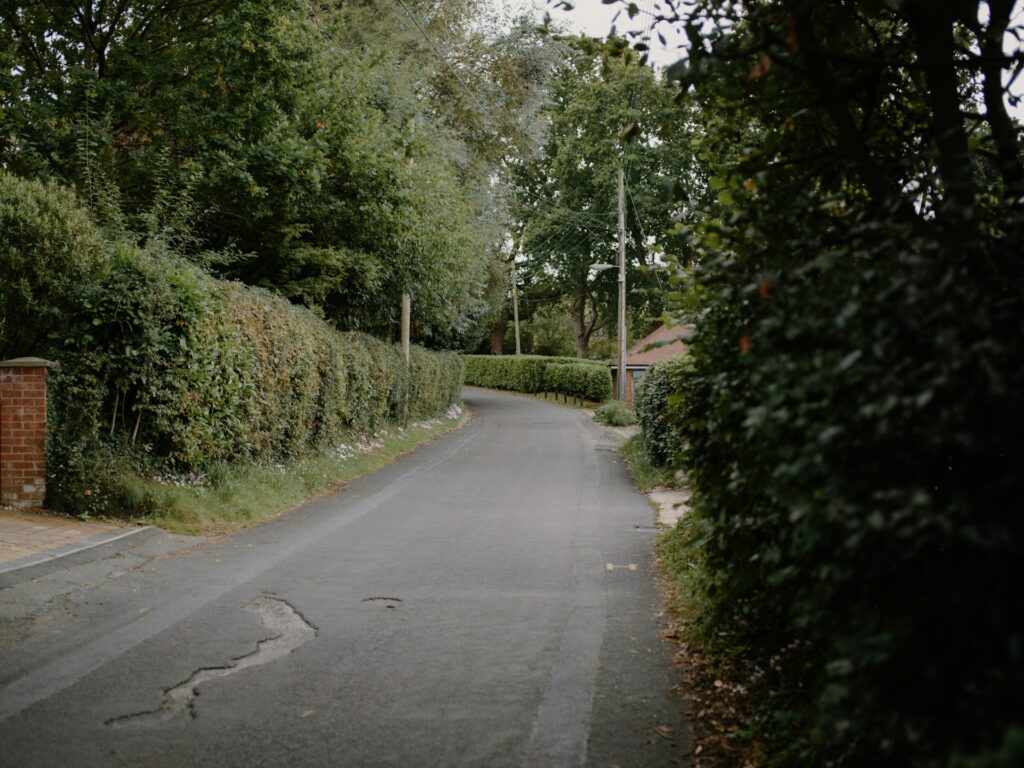
A right-of-way is a type of easement that permits passage over land. It may involve a driveway, pathway, or utility corridor. Rights-of-way are often registered on title, but can also arise through long-standing use.
Covenant
A covenant is a promise tied to land ownership. Covenants may be positive (requiring the landowner to perform an act, such as maintaining a fence) or negative (restricting land use, such as prohibiting certain types of construction). Covenants can also run with the land under the Property Law Act.
Historical and Prescriptive Easements
British Columbia law recognizes the possibility of establishing certain rights based on long-standing use, known as prescriptive easements. These typically arise where access has been continuous, open, and uninterrupted for at least 20 years. However, new prescriptive rights have become largely prohibited under the Land Title Act, which requires most land interests to be registered.
Where land remains unregistered or historical use predates certain legislative cutoffs, courts may still consider whether a prescriptive easement exists. These cases are fact-intensive and require evidence of historic access, acquiescence, and continuity over time.
Utility Corridors and Municipal Rights-of-Way
In urban and suburban areas, rights of way often involve utility providers or municipalities. Legal issues may arise when property owners obstruct or damage utility installations or municipal maintenance affects a private landowner’s use of their property. An unclear or disputed easement granted to a public authority can also create confusion and conflict.
These disputes may involve statutory easements granted under the Community Charter of B.C. or the Transportation Act. Resolving disagreements in these contexts may require coordination with municipal legal departments and infrastructure experts.
Common Causes of Easement and Right-of-Way Disputes
Conflicts concerning easements and rights of way often stem from disagreements over scope, access, maintenance obligations, or interference. These disputes can significantly impact property values, development plans, and day-to-day access.
Blocked or Altered Access
A property owner may obstruct a roadway or path subject to a right-of-way, restricting another party’s ability to use it.
Unauthorized Expansion
The holder of an easement may attempt to widen or intensify the use beyond what was originally granted.
Maintenance Disputes
Property owners may disagree over who is responsible for repairing or maintaining an access route or utility corridor.
Encroachments
A structure may be built over or adjacent to a right-of-way, potentially impeding its use or violating setback rules (known as an encroachment).
Termination or Abandonment
One party may argue that the easement or right-of-way has been abandoned, while the other asserts ongoing rights.
Legal Remedies and Enforcement of Easement and Right-of-Way Rights
In British Columbia, enforcement of easement or right-of-way rights may involve any of the following legal remedies:
- Declaratory relief: A party may seek a court declaration confirming the easement’s existence, scope, or termination.
- Injunctions: Where a party interferes with a valid easement or right of way, the court may order them to stop or remove the obstruction.
- Damages: Compensation may be awarded for losses suffered due to interference or breach.
- Rectification of title: If a registered easement or right of way does not reflect the parties’ original intent, the court may order that it be corrected.
Covenant Disputes: Restrictive and Positive Covenants
Covenant disputes often arise in the context of subdivisions, strata developments, or older residential areas with registered restrictions. Examples of issues include:
Non-Compliance With Land Use Restrictions
A landowner may build a structure or conduct business in violation of a restrictive covenant.
Maintenance Obligations
Positive covenants requiring upkeep of fences, drainage systems, or shared facilities may be ignored or contested.
Unenforceable or Expired Covenants
Some covenants are too vague, outdated, or improperly registered to be legally binding.
While restrictive covenants can generally bind successors in title, positive covenants typically do not, unless expressly agreed to. The interpretation and enforceability of covenants turn on several legal factors, including the parties’ original wording, intent, and historical conduct.
Changing or Discharging Easements and Covenants
Property owners may seek to remove or vary registered easements or covenants that no longer serve a useful purpose. In British Columbia, this is governed by section 35 of the Property Law Act. Under section 35, the court may cancel, modify, or discharge a covenant or easement, vary its terms, or impose entirely new conditions.
In considering a section 35 application, the court will determine whether the covenant or easement is obsolete due to changes in the neighbourhood, land use, or other circumstances. It will also weigh whether the burden is unduly prejudicial or impedes reasonable use of the land.
The Meridian Law Group Advantage
The property law team at Meridian Law Group has extensive knowledge of the legal, factual, and procedural complexities involved in easement, right-of-way, and covenant disputes. The firm provides comprehensive support to clients in these matters, including:
- Reviewing land titles and registered charges
- Interpreting historical documents and subdivision plans
- Coordinating land surveys and expert reports
- Advising on potential remedies and outcomes
- Representing clients in negotiations and urgent court applications
Whether acting for a landowner defending their property rights, a neighbour asserting access, or a developer seeking to modify restrictions, Meridian Law Group provides clarity, efficiency, and strategic insight.
Contact Meridian Law Group for Comprehensive Representation in Easement, Covenant, and Right-of-Way Disputes in B.C.
If you are involved in a dispute concerning an easement, restrictive covenant, or right-of-way, it is vital to understand your legal position and act promptly to protect your property rights. The innovative property litigation lawyers at Meridian Law Group provide dynamic representation and trusted advice for clients across B.C. in a wide range of land use and access disputes.
Located in the historic Nelson Square Building in downtown Vancouver across from the courthouse, Meridian Law Group has been a mainstay of the British Columbia legal community for over 30 years. To book a consultation about your property dispute, please contact the firm online or call (604) 687-2277.