
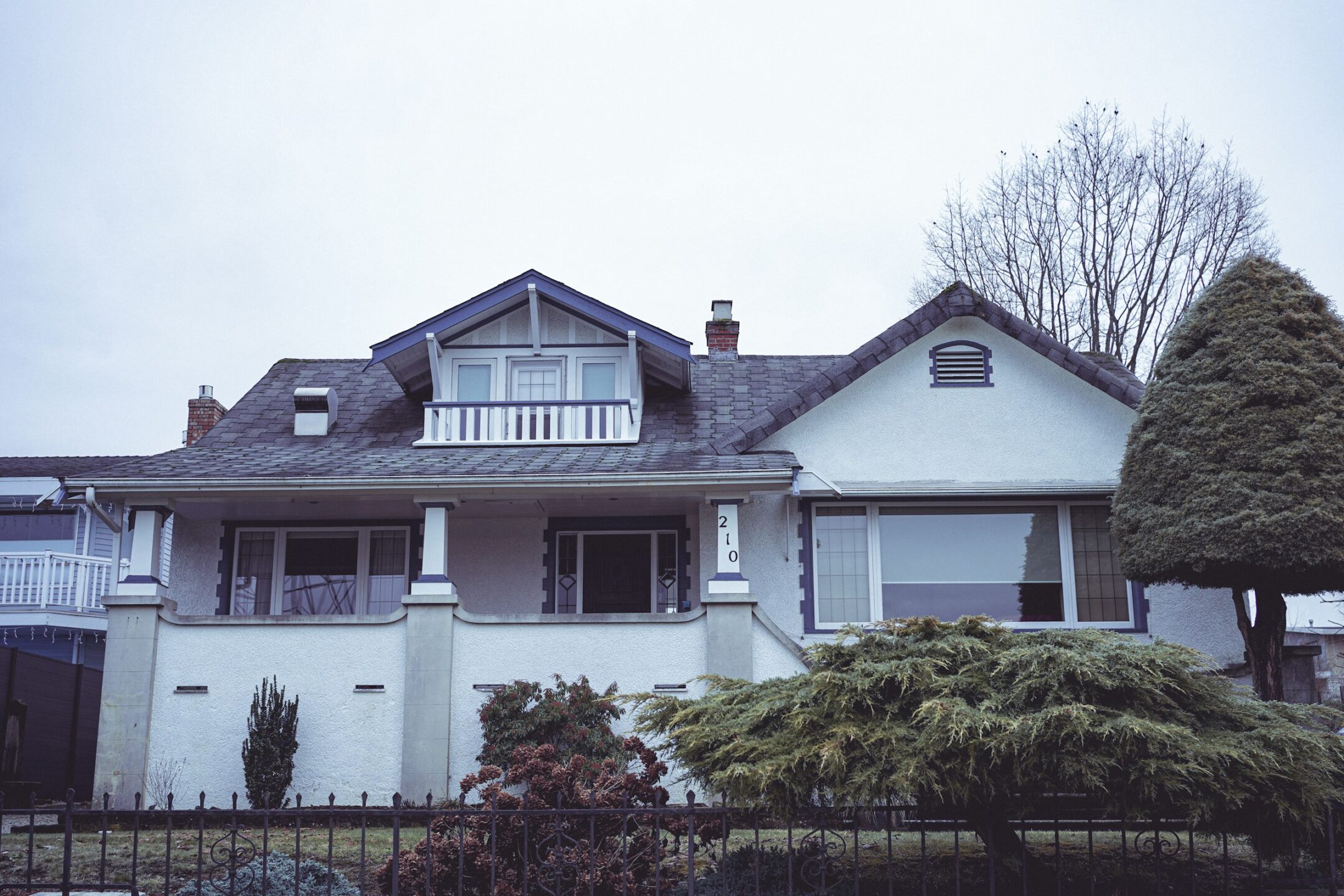
Vancouver Property Dispute Lawyers Advising on Boundary Disputes and Encroachments
Property boundary disputes are among the most common (and contentious) real estate conflicts in British Columbia. Whether the issue involves a misaligned fence, a neighbour’s overhanging tree, or the construction of a structure that crosses property lines, these disputes can significantly affect property rights, property value, and neighbour relations.
The property lawyers of Meridian Law Group advocate for clients in a variety of boundary-related disputes by identifying their legal options, enforcing their rights, and reaching effective resolutions through negotiations or decisive court action.
Understanding B.C. Property Boundaries
Boundary disputes arise when neighbouring property owners disagree over the precise dividing line between their respective parcels of land. These conflicts may be triggered by historical survey inaccuracies, informal agreements between prior owners, or recent developments such as fence installations, new buildings, or landscaping.
Registered land titles and surveys define legal boundaries, but discrepancies can occur due to outdated or unclear land descriptions. In some cases, one party may rely on an assumed boundary line for years, only to later discover that the legal boundary actually lies elsewhere.
Common Causes of Boundary and Encroachment Disputes
Boundary and encroachment issues can stem from a variety of situations, including:
- Construction of fences or retaining walls on or over the boundary line
- Installation of driveways or patios that extend beyond a property’s legal limits
- Trees or hedges planted on the boundary line that obstruct views, damage foundations, or drop debris
- Water runoff from a neighbour’s property causing erosion or damage
- Buildings or additions, such as garages or sheds, that encroach onto an adjacent lot
Even minor infringements can escalate into serious disputes, particularly when they interfere with the use or enjoyment of the affected property. In such cases, legal intervention may be necessary to determine the rightful boundary and enforce corrective action.
Encroachments: When Structures Cross the Line
An encroachment occurs when a structure (permanent or otherwise) extends over a legal property line into a neighbouring parcel. Encroachments may involve fences, buildings, decks, awnings, or other improvements. While some encroachments are unintentional, others may result from poor planning, historical oversight, or lack of professional surveying.
Property owners affected by an encroachment may seek legal remedies, including one or more of the following:
- Removal of the encroaching structure
- Damages for loss of use or diminished property value
- An easement or formal agreement allowing the encroachment to remain, often with compensation
- Injunctive relief prohibiting future construction or use of the encroached area
Encroachments can have long-term consequences, especially if not addressed promptly. In certain circumstances, long-standing encroachments may give rise to claims of prescriptive easement, though these doctrines apply narrowly under B.C. property law and depend on specific factual conditions.
Garages, Sheds, and Additions
In B.C., municipal bylaws typically govern setback requirements and zoning for garages, sheds, and other structure additions. However, even structures that comply with local regulations can still infringe on a neighbour’s legal rights if they encroach on private property. In these cases, the property owner may be liable for trespass or nuisance, even if a permit was issued.
The Role of Professional Surveys and Land Titles
A professional land survey is often the first and most critical step in resolving a boundary or encroachment dispute. A licensed land surveyor can determine each property’s exact dimensions and legal boundaries based on the Land Title and Survey Authority’s records.
Survey evidence is essential in litigation, especially when a dispute involves allegations of trespass or unlawful occupation. In many cases, disputes arise precisely because of a lack of accurate survey information during property transactions or renovations. Property owners are encouraged to obtain or update their surveys before undertaking any construction near a property line.
Fence and Treeline Disputes Between Neighbours
Fences are one of the most common sources of boundary disputes. In British Columbia, fences built directly on the boundary line are considered a shared responsibility unless otherwise agreed upon. However, if a fence is constructed entirely on one party’s land or crosses the boundary line without consent, it may create confusion about each property’s responsibilities.
Similarly, trees and hedges planted on or near boundary lines can create problems related to root intrusion, blocked sunlight, or falling branches and leaves. While B.C. law allows for limited self-help remedies (such as trimming overhanging branches), property owners must be cautious not to damage or destroy a tree that belongs to their neighbour, as this could result in liability for damages.
A knowledgeable property lawyer can help assess whether a fence or treeline constitutes a legal nuisance, encroachment, or trespass and advise on remedies, including removal, compensation, or court orders directing how to fix the problem.
Property Line Uncertainty and Title Issues
Boundary disputes sometimes uncover deeper legal issues, such as inconsistent land titles or overlapping claims. In these cases, the root of the problem may lie in how the property was subdivided initially, described, or conveyed.
In British Columbia, title registration is generally conclusive of ownership. However, errors in the registry or historical documents can result in overlapping or ambiguous legal descriptions. When boundaries are disputed due to title confusion, court action may be required to clarify ownership or rectify the land title under the Land Title Act.
Water Spillage and Surface Runoff Concerns
Another frequent source of property conflict between neighbours is water drainage. If a landowner alters their property in a way that causes water to spill onto a neighbour’s land, such as by changing grading, installing impermeable surfaces, or redirecting gutters, they may be liable for resulting damage.
The law recognizes the natural flow of water and imposes limitations on altering drainage patterns that negatively impact neighbouring properties. A property owner who allows water to flow in such a way that it constitutes a nuisance or negligence may be ordered to compensate the aggrieved neighbouring property owner or forced to take (or stop taking) a particular action via court order.
Legal Remedies for Boundary and Encroachment Disputes
Resolving boundary disputes in British Columbia typically begins with negotiation or another dispute resolution process, particularly when the parties are neighbours who must continue to coexist. However, if informal resolution is unsuccessful, litigation may be critical to protecting or enforcing property rights.
Available legal remedies may include:
- Declaratory relief confirming legal boundary lines
- Orders for the removal of encroaching structures or vegetation
- Monetary damages for property damage or lost use
- Injunctions prohibiting further encroachment or trespass
- Rectification of land title errors under the Land Title Act
Pragmatic Legal Solutions in Boundary and Encroachment-Related Property Litigation
Boundary and encroachment disputes are highly fact-specific and can escalate quickly without proper legal guidance. Meridian Law Group assists property owners by:
- Reviewing surveys, permits, and title documents
- Advising on zoning, municipal bylaws, and encroachment laws
- Negotiating boundary agreements or encroachment settlements
- Assertively litigating disputes before all court levels
- Seeking court-ordered remedies to resolve property conflicts
Whether the dispute involves a misaligned fence, an unauthorized building extension, or water runoff causing property damage, the firm’s team of innovative property lawyers can help protect your rights and pursue any compensation to which you are entitled.
Contact Meridian Law Group in Vancouver for Comprehensive Advice on Property Line Disputes
If you are involved in a boundary or encroachment dispute, timely legal advice can be critical to protecting your property rights and resolving the matter efficiently. Meridian Law Group provides strategic, results-focused representation to property owners throughout British Columbia. The firm’s skilled property litigators create robust, creative legal solutions to protect clients’ real estate and land interests, no matter how complex the issue.
For over 30 years, Meridian Law Group has been a touchstone of B.C.’s legal community. From its office in downtown Vancouver, the firm represents clients in West Vancouver, North Vancouver, Coquitlam, Penticton, Kelowna, Richmond, New Westminster, Burnaby, Surrey, Langley, and White Rock, as well as across Canada and internationally. To discuss your property dispute, please reach out online or call (604) 687-2277.