
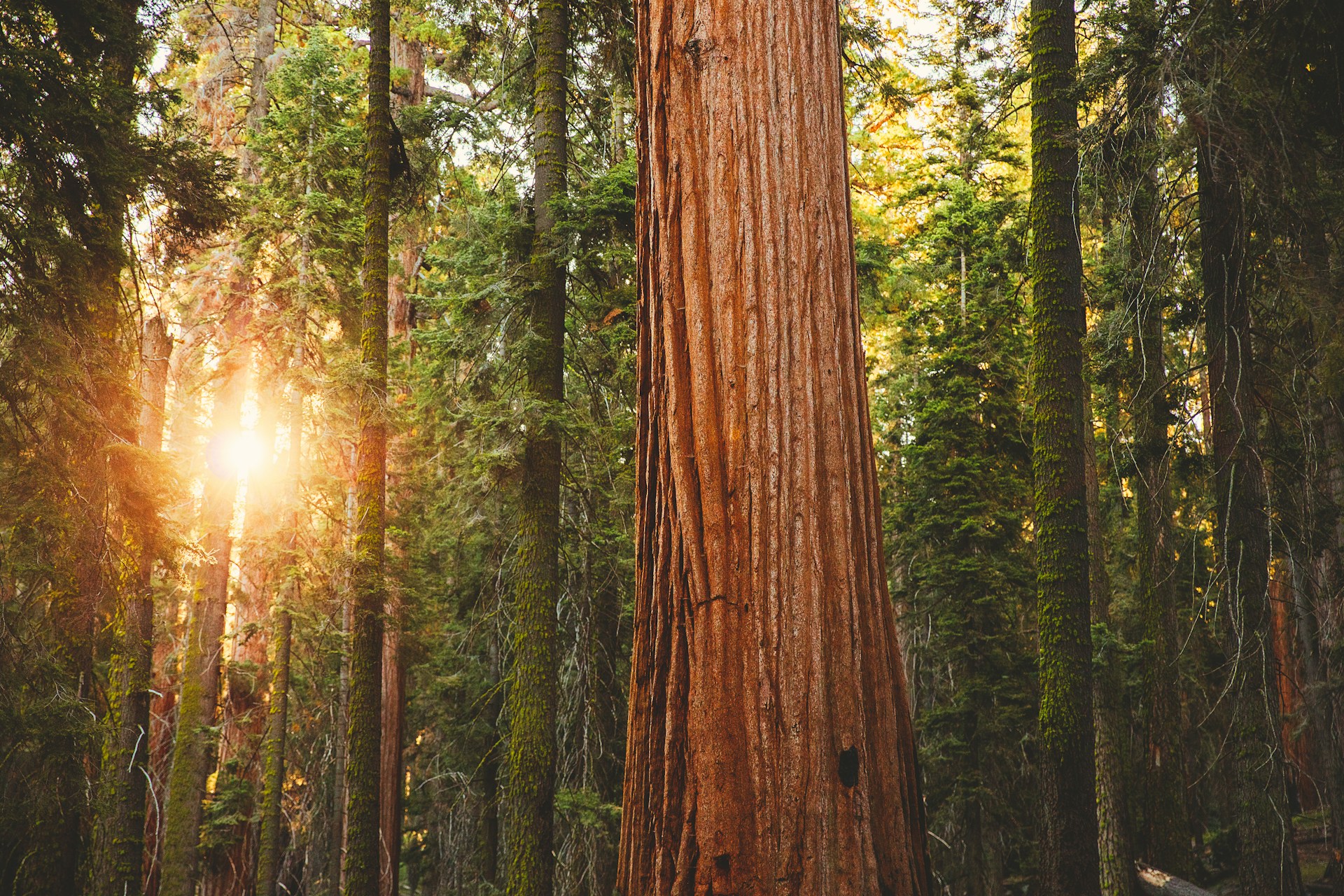
In a city where redevelopment and mature urban landscaping often exist side by side, a single tree can become an important consideration in a construction project. A homeowner may want to build an addition, replace an older house, or substantially renovate a property, only to discover that an established tree occupies part of the proposed building area.
The situation can become more complicated when the tree is close to a property line. Construction may affect a neighbouring tree even though its trunk is entirely outside the development site. Roots and branches do not follow survey lines, and excavation, grading, demolition, and other work can potentially affect trees beyond the property being developed.
For Vancouver property owners, these situations can involve municipal requirements as well as private disputes between neighbours. Understanding how mature trees fit into the development process can therefore be an important part of planning a construction project.
Vancouver Regulates Trees on Private Property
The City of Vancouver’s Protection of Trees By-law regulates the removal of trees from private property. A permit is generally required to remove a tree measuring at least 20 centimetres in diameter, measured 1.4 metres above the ground. Certain smaller trees may also be protected, including replacement trees or trees forming part of an approved landscape design.
Development does not automatically mean that an existing tree can be removed. The City states that property development, including renovations and new construction, generally requires existing trees on the property to be retained unless a tree qualifies for removal under specified conditions. One circumstance in which removal may be permitted is where the tree is located within the building envelope of the development site.
Where trees measuring 20 centimetres or more in diameter are present, the City also requires an arborist’s report as part of a development permit application. Trees that will remain on the site must be protected during construction.
What If the Tree Is Exactly Where the Building Needs to Go?
The location of a mature tree can affect how a proposed development proceeds. Vancouver’s tree rules recognize that removal may sometimes be necessary where a tree is located within the building envelope defined by an issued development or building permit.
However, the existence of a development plan does not, by itself, amount to permission to remove a protected tree. Tree removal associated with a development project is addressed through the development or building permit process, and property owners may need supporting documentation regarding the trees on the site.
As a result, trees can become a significant consideration relatively early in a project. Their location may affect site planning, excavation, building placement, landscaping, and the documentation required to obtain municipal approvals.
The Tree Next Door Can Also Affect Construction
A development dispute does not necessarily involve a tree growing on the development property itself. Vancouver specifically requires protection for trees on adjacent properties and boulevard trees when they are in danger of being damaged by construction or development.
This can become important when excavation occurs close to a property boundary. A neighbouring tree’s trunk may be several feet away from the construction site while portions of its root system extend beneath or toward the adjoining property.
Activities such as excavation, soil compaction, grading, trenching, foundation construction, and changes to drainage may raise concerns about the health or stability of a nearby tree. A dispute can therefore develop even where nobody has physically cut down the tree.
When Roots Cross Property Lines
Tree disputes can be particularly difficult because the visible location of the trunk does not necessarily reveal the full extent of the tree. Roots can extend beyond the parcel on which the tree grows, creating potential points of conflict when the neighbouring land is excavated or redeveloped.
For example, one property owner may consider excavation necessary to construct an approved addition or new home. The neighbouring owner may be concerned that cutting roots could destabilize a mature tree, cause it to decline, or eventually require its removal.
The factual circumstances can become important in disputes of this kind. The location of the property boundary, location and condition of the tree, extent of the root system, nature of the proposed construction, and measures used to protect the tree may all be relevant.
Boundary Trees Can Add Another Layer
Before removing a tree near a property line, determining precisely where it stands can be important. Vancouver’s tree removal process specifically addresses trees that straddle a property line. Where a tree is co-owned because it straddles the boundary, the City requires written consent from the other owner as part of a non-development tree removal application.
The apparent location of a fence or hedge may not necessarily establish the legal property boundary. Where ownership or location is disputed, survey evidence may become relevant.
This can create a significant complication when construction timelines are involved. What initially appears to be a routine landscaping decision may develop into a broader disagreement about property boundaries, consent, construction plans, or responsibility for potential damage.
Construction Damage May Not Be Immediately Obvious
Unlike damage to a fence, wall, or other structure, damage to a mature tree may not always become apparent immediately after construction. A neighbouring owner may allege that excavation damaged important roots, for example, while the developer or contractor may dispute whether construction caused the tree’s later decline. Questions can arise about the tree’s condition before construction, what work occurred near it, what protective measures were used, and whether another condition contributed to the damage.
These disputes can involve evidence created both before and after construction. Arborist assessments, photographs, surveys, construction drawings, excavation records, permit materials, correspondence, and observations about the tree’s condition may help establish what occurred.
What Happens If a Mature Tree Is Lost?
When a mature tree is seriously damaged or removed, determining the resulting loss may not be straightforward. Tree disputes may involve more than the retail cost of purchasing a young sapling or replacement tree.
Depending on the circumstances and legal issues involved, evidence concerning restoration, landscaping, loss of amenity, property impacts, and other consequences may become relevant.
Municipal Approval and Private Property Rights Are Different Issues
Another potential source of confusion is the distinction between municipal permission and the rights of neighbouring property owners. A permit determines whether particular work is authorized under the applicable municipal framework. It does not necessarily resolve every private law issue that may exist between neighbouring owners.
Similarly, a dispute between neighbours does not necessarily determine whether municipal tree requirements have been satisfied. A project involving mature trees may therefore raise regulatory and private property issues at the same time.
Can a Tree Dispute Delay a Development?
Tree disputes can become especially consequential when construction is imminent. Once a mature tree has been cut down or its critical roots have been damaged, restoring the previous physical circumstances may be impossible.
Disagreements may arise before construction begins over proposed excavation, tree protection measures, access, boundaries, or whether work could damage a neighbouring tree. Other disputes arise only after construction has started or after a tree has already been harmed.
Where urgent court proceedings are pursued, the timing and nature of the proposed work may become significant. The issues in any proceeding will depend on the particular facts, legal rights asserted, and remedies being sought.
Planning Around Mature Trees in a Growing City
Vancouver’s mature tree canopy and ongoing redevelopment can create competing practical considerations. Property owners may have plans to renovate or redevelop their land, while neighbouring owners may be concerned about preserving trees that contribute shade, privacy, landscaping, or other benefits to their property.
The existence of a mature tree does not necessarily prevent development, nor does a development project necessarily resolve questions concerning tree removal or damage. The applicable municipal requirements, property boundaries, tree ownership, construction plans, and effects on neighbouring land can all shape the situation. Identifying those issues before excavation or tree removal begins may also provide a clearer factual record if a disagreement later develops.
Meridian Law Group: Vancouver Property Litigation Lawyers for Tree and Development Disputes
Meridian Law Group represents British Columbia property owners in a range of property and real estate disputes, including neighbour disagreements, boundary issues, trespass claims, construction-related property damage, and disputes involving mature trees.
Our team of property dispute lawyers proudly represent clients in Vancouver and throughout B.C. and Canada. To discuss a tree dispute, development dispute, or neighbouring property conflict, contact us online or call (604) 305-2887 to arrange a consultation.